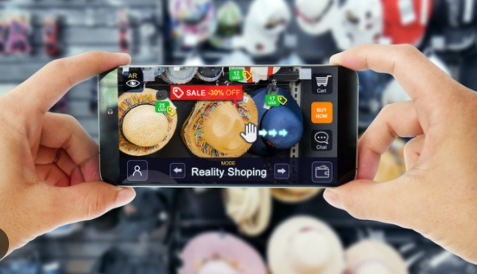
Augmented Reality (AR) has become a game-changer in the retail sector. It allows customers to interact with products in innovative ways, transforming their shopping experience. From virtual try-ons to interactive product displays, AR technology is revolutionizing how consumers shop and make purchasing decisions. This article will explore how AR apps are enhancing the retail shopping experience, driving sales, and improving customer satisfaction.
Introduction: The Rise of AR in Retail Shopping
In recent years, augmented reality (AR) has gone from a futuristic concept to a mainstream tool in various industries, particularly retail. AR apps enable customers to experience products before purchasing them by overlaying digital elements onto the physical world. Whether it’s trying on clothes virtually or visualizing how furniture fits into a room, AR offers immersive and interactive shopping experiences that were previously unthinkable.
With consumers becoming more tech-savvy, the demand for innovative shopping experiences has skyrocketed. Retailers are leveraging AR apps to offer personalized and engaging experiences that not only attract customers but also foster brand loyalty.
In this article, we will delve into how AR apps are transforming the retail landscape and why they are becoming indispensable for modern retailers.
How AR Apps are Transforming the Retail Shopping Experience
1. Virtual Try-Ons: Revolutionizing Fashion and Beauty
One of the most popular uses of AR in retail is the virtual try-on experience. AR apps allow customers to “try on” clothing, accessories, and makeup without physically wearing them. For example, virtual try-on apps in the fashion industry let users upload their photos and try on outfits in real time, adjusting size and color preferences to see what works best for them. Similarly, makeup brands have adopted AR to allow users to try different shades of lipstick, eyeshadow, and more with the use of their smartphone cameras.
Benefits of Virtual Try-Ons:
- Convenience: Shoppers can try products from the comfort of their homes, eliminating the need to visit physical stores.
- Personalization: AR allows users to experiment with different styles and colors to find the best match.
- Increased Confidence: Virtual try-ons give customers the confidence to make purchases, reducing the likelihood of returns.
2. Enhancing Product Visualization in Home Decor
Home decor and furniture retailers have also seen the potential of AR to improve the shopping experience. AR apps can superimpose virtual products like sofas, tables, and lamps onto a customer’s living space, helping them visualize how items will look in their home. This technology removes the uncertainty of how products will fit and whether they will match the existing decor, enhancing the customer’s purchasing decision.
Benefits of AR in Home Decor:
- Accurate Sizing: Customers can view products in real-world settings, ensuring they fit well and look appropriate in their space.
- Convenient Shopping: No need to leave the house to see how furniture and decor will fit — users can make informed decisions remotely.
- Improved Customer Engagement: AR apps offer a unique, interactive experience that keeps customers engaged and invested in their purchases.
3. Interactive In-Store Experiences
In addition to online shopping, AR is also improving in-store experiences. Retailers are integrating AR into physical stores to create an interactive shopping environment. For instance, some stores use AR to create digital displays that customers can interact with. Shoppers can point their phones at specific products to receive detailed information, such as price comparisons, product features, and availability in other stores. This type of engagement helps customers make informed decisions without relying on sales associates.
Benefits of AR in Physical Retail:
- Enhanced Product Information: Customers can access detailed product info with just a scan, making it easier to understand product specifications.
- Increased Foot Traffic: Interactive AR experiences can draw customers into the store, encouraging them to explore more products.
- Entertainment Factor: Gamified AR experiences can make shopping more enjoyable, encouraging customers to spend more time in-store.
4. AR Apps for Personalized Shopping Assistance
AR apps are also making personalized shopping assistance a reality. By using AR, retailers can offer tailored experiences based on the user’s preferences and past behavior. For example, some apps analyze a customer’s shopping habits to suggest personalized outfits or products. With the help of AR, these recommendations can be brought to life, allowing customers to see how these items might look on them or in their homes.
Benefits of Personalized AR Shopping:
- Tailored Recommendations: Personalized shopping experiences increase customer satisfaction and the likelihood of purchases.
- Efficient Shopping: Shoppers can easily find items that match their tastes, reducing decision fatigue and improving the overall experience.
- Loyalty Building: Personalized experiences increase customer retention by making shoppers feel valued and understood.
5. Gamification and AR: Making Shopping Fun
One of the most innovative uses of AR in retail is its integration with gamification. Retailers are using AR to create fun, interactive games that engage users while they shop. For instance, customers can “hunt” for virtual objects in a store or unlock discounts by completing challenges using their AR-enabled devices. This gamified shopping experience creates a more memorable interaction with the brand, encouraging repeat visits.
Benefits of Gamification in Retail:
- Increased Engagement: Gamified experiences are more likely to capture attention and keep customers engaged for longer periods.
- Brand Loyalty: Fun and interactive experiences create a sense of connection with the brand, leading to greater loyalty.
- Higher Conversion Rates: Engaged customers are more likely to make a purchase, especially when rewarded with discounts or special offers.
The Future of AR in Retail Shopping
The future of AR in retail is bright, with continuous advancements in technology and consumer expectations driving innovation. As AR apps become more sophisticated, retailers will have even more opportunities to create unique, immersive experiences. We can expect to see:
- AR-powered Virtual Stores: In the future, retailers may offer entirely virtual shopping experiences, where customers can walk through digital stores using AR glasses or other wearable devices.
- Enhanced Customization: AR will enable customers to personalize products in real-time, such as customizing the color of a car or creating bespoke clothing.
- Integration with AI and Machine Learning: As AR becomes integrated with AI, it will offer even more personalized and efficient shopping experiences, such as AI-driven suggestions for virtual try-ons and home decor.
Conclusion: Embracing the AR Revolution in Retail
AR technology is no longer a luxury but a necessity for retailers looking to enhance the shopping experience and stay ahead of the competition. From virtual try-ons and home decor visualization to gamified shopping experiences, AR offers immense potential to engage customers and boost sales. As AR technology continues to evolve, it will undoubtedly play an even greater role in shaping the future of retail.
By embracing AR, retailers can not only improve customer satisfaction but also establish a competitive edge in a rapidly changing market. The future of shopping is immersive, interactive, and exciting — and AR apps are leading the way.
FAQs About AR Apps in Retail Shopping
1. What are AR apps used for in retail?
AR apps in retail are used for virtual try-ons, product visualization, interactive in-store experiences, personalized shopping, and gamified shopping experiences.
2. How does AR improve the retail shopping experience?
AR enhances the shopping experience by allowing customers to visualize products before purchase, interact with items in real time, and receive personalized recommendations, all from the convenience of their smartphones or in-store devices.
3. Are AR apps effective for increasing sales in retail?
Yes, AR apps are proven to increase sales by engaging customers, providing personalized experiences, and building confidence in purchasing decisions, which ultimately reduces returns.
4. Can AR help with home decor shopping?
Yes, AR apps allow customers to visualize how furniture and home decor items will look in their homes before purchasing, helping them make better decisions and avoid mistakes.
5. Will AR replace physical stores in the future?
While AR offers convenience and immersive experiences, physical stores will still play an essential role in retail. However, AR will continue to enhance both online and offline shopping experiences.